How to Handle Multiple Offers on Your South Florida Home: 2026 Strategy Guide
Getting multiple offers on your home is the best problem a seller can have. It means you priced it right, marketed it well, and hit the market at a moment when buyers are competing. But multiple offers come with their own set of decisions. Which offer do you accept? Do you ask everyone to submit their best and final? How do you avoid a deal falling apart after you pick the highest number? Here is how South Florida sellers should navigate a multiple offer situation in 2026.
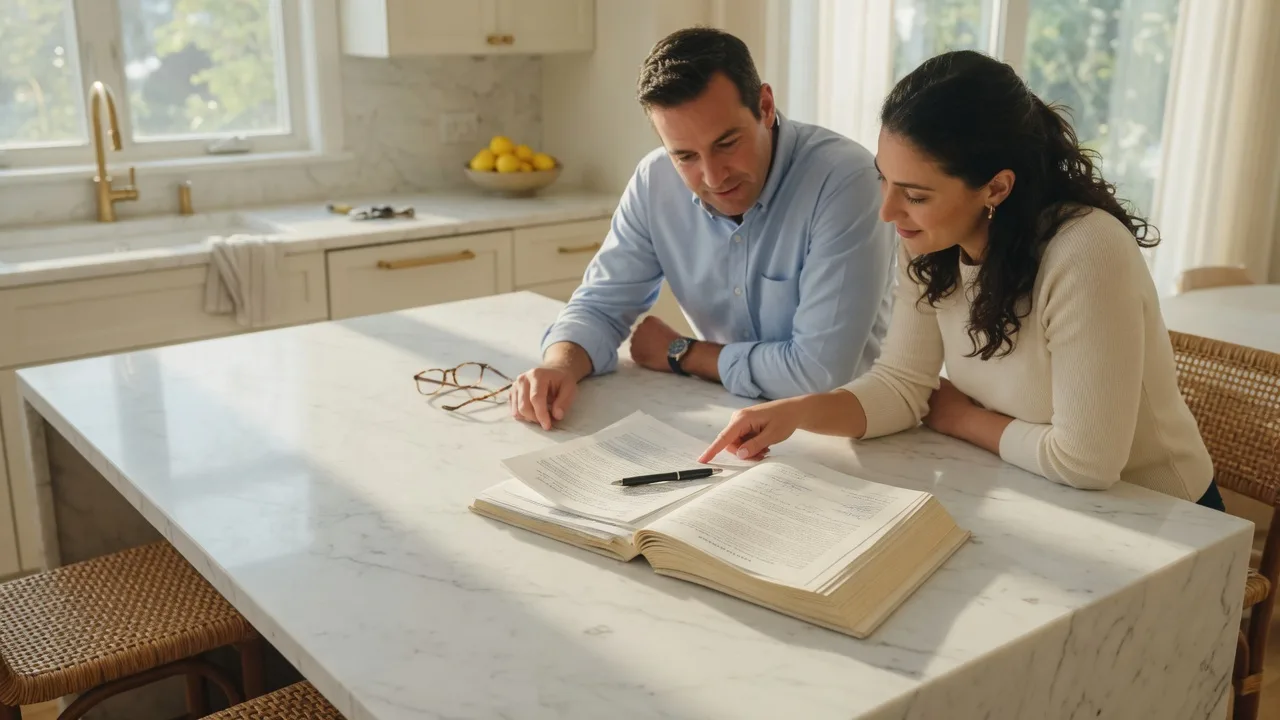
The Highest Offer Is Not Always the Best Offer
This is the single most important thing to understand about multiple offers. Consider a scenario where four offers come in after the first weekend on the market. The highest one is well above asking and the buyer seems solid. But three weeks later the appraisal comes in below the offer price, the buyer cannot cover the gap, and the deal falls apart. The next best offer has already moved on to another property.
That experience changed how I advise sellers. Today, I walk through every offer with a critical eye. A high offer with weak financing, aggressive contingencies, or a tight appraisal gap is often riskier than a lower offer with a strong pre-approval, a bigger earnest money deposit, and clean terms.
Learn about Ryan's step-by-step selling process and how strategic offer evaluation fits into the bigger picture.
What to Look for Beyond the Price
When offers come in, we evaluate them on several dimensions, not just the dollar amount. Here is what I look at with every offer:
Financing Strength
- Pre-approval or pre-qualification letter
- Loan type (conventional, FHA, VA, cash)
- Down payment percentage
- Buyer debt-to-income ratio
- Source of funds verified (for cash offers)
Contingencies
- Inspection contingency and timeline
- Appraisal contingency and gap coverage
- Financing contingency terms
- Sale of buyer's current home clause
- Any unusual addendums or requests
Earnest Money
- Deposit amount (1% vs 3% vs 5%+ of offer)
- Timing of deposit (immediate vs within 3 days)
- Whether it is non-refundable after inspection
Timeline & Terms
- Proposed closing date
- Requested possession date
- Seller concessions requested
- Flexibility on moving timeline
Read our pricing strategy guide to understand how pricing your home correctly from day one attracts stronger, more qualified offers.
The Best and Final Approach
When you have multiple interested buyers, one of the most effective strategies is asking everyone to submit their best and final offer by a set deadline. This creates urgency and often pushes buyers to put their strongest terms on the table. I typically set a 24 to 48 hour window, which is long enough for buyers to talk to their lender and agent but short enough to maintain momentum.
Here is how I structure a best and final process with my sellers:
- Notify all agents. I let every agent with an active showing or upcoming appointment know we have multiple offers and a deadline for best and final submissions.
- Review initial offers. Not everyone will resubmit. Some buyers will bow out. That is fine. The ones who stay are serious.
- Share no details. I never tell buyers what the other offers are. That encourages them to lead with their strongest offer, not just beat the lowest number by a thousand dollars.
- Evaluate holistically. When the best and final offers come in, we evaluate them as a whole package, not just the price.
- Notify all parties. Once the seller chooses, I notify every agent so there is no confusion about the status of the property.
For example, imagine a listing that receives several showing requests within 48 hours and multiple offers by day three. After a best and final round, the seller ends up with an all-cash offer above asking with a waived inspection, closing in three weeks. That is the kind of outcome strategic offer management can deliver.
Appraisal Gaps: The Silent Deal Killer
In a multiple offer situation, it is very common for the winning offer to come in above the asking price. That sounds great until the appraisal comes back at or below the list price, not at the offer price. The difference between the offer price and the appraised value is the appraisal gap.
In 2026, with interest rates where they are and home prices still elevated, appraisals are more conservative than they were during the pandemic boom. Appraisers are looking at closed comps, and if those comps are a few months old, they may not reflect the current market upward pressure.
That is why in a multiple offer situation, it pays to ask buyers to address the appraisal gap upfront. An appraisal gap addendum has the buyer agree to cover a certain amount of the difference if the appraisal falls short. Some buyers commit to covering a large portion of that gap, and that kind of commitment signals a serious, well-qualified buyer.
Learn how Ryan's marketing approach attracts serious, well-qualified buyers who are ready to compete for the right property.
Cash vs Financing: The Real Trade-Off
Cash offers are attractive because they remove the financing contingency and usually close faster. But they are not always the best choice. A well-qualified financed buyer with a 20% down payment, a strong pre-approval from a local lender, and a clean inspection can be just as reliable as a cash buyer.
Here is the trade-off I explain to my sellers:
- Cash offer at $500,000: Closes in 14 to 21 days, no appraisal risk (often), no financing contingency. Very reliable. You walk away with the full amount minus closing costs.
- Financed offer at $520,000: Strong pre-approval, conventional loan, 30-day close. Appraisal and financing contingencies apply, but the buyer has a 20% down payment and excellent credit. Reliable but with more moving parts.
The $20,000 price difference is real. But if the financed buyer's appraisal comes back at $500,000 and they cannot cover the gap, you are back to the cash offer at $500,000. That is the risk you weigh.
The strongest approach is to structure the negotiation so that both types of buyers compete on terms. Ask the cash buyer if they can increase their price. Ask the financed buyer if they can waive the appraisal contingency or cover a gap. The right answer depends on your priorities, and a good agent helps sellers think through that trade-off before responding.
The Risks of Getting Greedy
One of the biggest mistakes sellers make when they get multiple offers is pushing too hard. They keep countering, asking for more, and squeezing every dollar. That feeling of being in demand is understandable. But sellers can get burned by overplaying their hand.
For example, imagine a seller with two solid offers. One is a strong offer with reliable financing. The other is slightly higher but comes with a longer close and a home sale contingency. The seller counters both. The stronger buyer walks, and the other buyer's own home takes months to sell. By the time that deal finally closes, the seller nets less than they would have with the original offer.
The lesson: when you have a strong offer from a qualified buyer, sometimes the smartest move is to take it. Not every deal needs to be a bidding war. A clean, reliable offer that closes on time is worth real money.
Preparing for Multiple Offers Before You List
The best time to plan for multiple offers is before you even list your home. A well-prepared property with professional marketing attracts more buyers and more competition. Here is what makes the difference:
- Professional photography and video. Listings with professional visuals get significantly more views and showing requests. This is table stakes in 2026.
- A dedicated property website. A custom site for your listing with a virtual tour and lead capture gives serious buyers a place to engage deeply with your property.
- Targeted digital marketing. Social media and search ads put your listing in front of the right buyers in your price range and area.
- Strategic pricing. If you price too high, you scare off buyers and get zero offers. If you price too low, you leave money on the table. The sweet spot is what attracts multiple offers at a fair price.
- Timing the market. Listing during peak buyer season (February through May in South Florida) increases your chances of multiple offers.
Read our home preparation guide for the full checklist on getting your property ready for a fast, competitive sale.
What Happens After You Accept an Offer
Once you accept an offer, the property goes under contract. The other buyers move on. But the work is not done. The appraisal, inspection, and financing process takes 30 to 45 days, and the deal can still fall apart. That is why choosing the right offer from the start is so important.
After acceptance, your agent manages the due diligence period, coordinates the inspection, follows up with the buyer's lender, and keeps the transaction on track. A good agent earns their commission during this phase as much as they do during the marketing phase.
For a complete walkthrough of what happens after you accept an offer, visit RyanParkerHomeGuide.com for buyer and seller education resources covering every step of the closing process.
Ready to Sell and Want to Attract Multiple Offers?
Ryan Parker specializes in helping South Florida sellers get top dollar for their homes through strategic pricing, professional marketing, and expert negotiation. Whether you are listing in Delray Beach, Boca Raton, Highland Beach, or Boynton Beach, Ryan can help you position your home for a competitive sale.
Call or text Ryan at 561-915-8590 for a free consultation. You can also request your free market analysis online to find out what your home is worth in today's market.

Ryan Parker
South Florida Realtor, Coldwell Banker Realty
SL3571861
For comprehensive real estate education covering buying, selling, owning, and investing, visit RyanParkerHomeGuide.com. For neighborhood-specific guides and listings, visit RyanParkerRealty.com.
Want my take on how to handle this?
Let me walk you through your options. No pressure, no obligation, just an honest read on the situation.
No pressure. No obligation. Just an honest answer.