Selling in Winter vs Summer in South Florida: Which Is Better?
If you are planning to sell your South Florida home, you have probably wondered whether the season matters. The short answer is yes, it does. Winter and summer bring very different buyer pools, market dynamics, and pricing outcomes. But the good news is that South Florida's year-round warm weather and steady migration mean there is never a truly bad time to sell. The question is which season works best for your situation, and how to make the most of whichever window you choose.
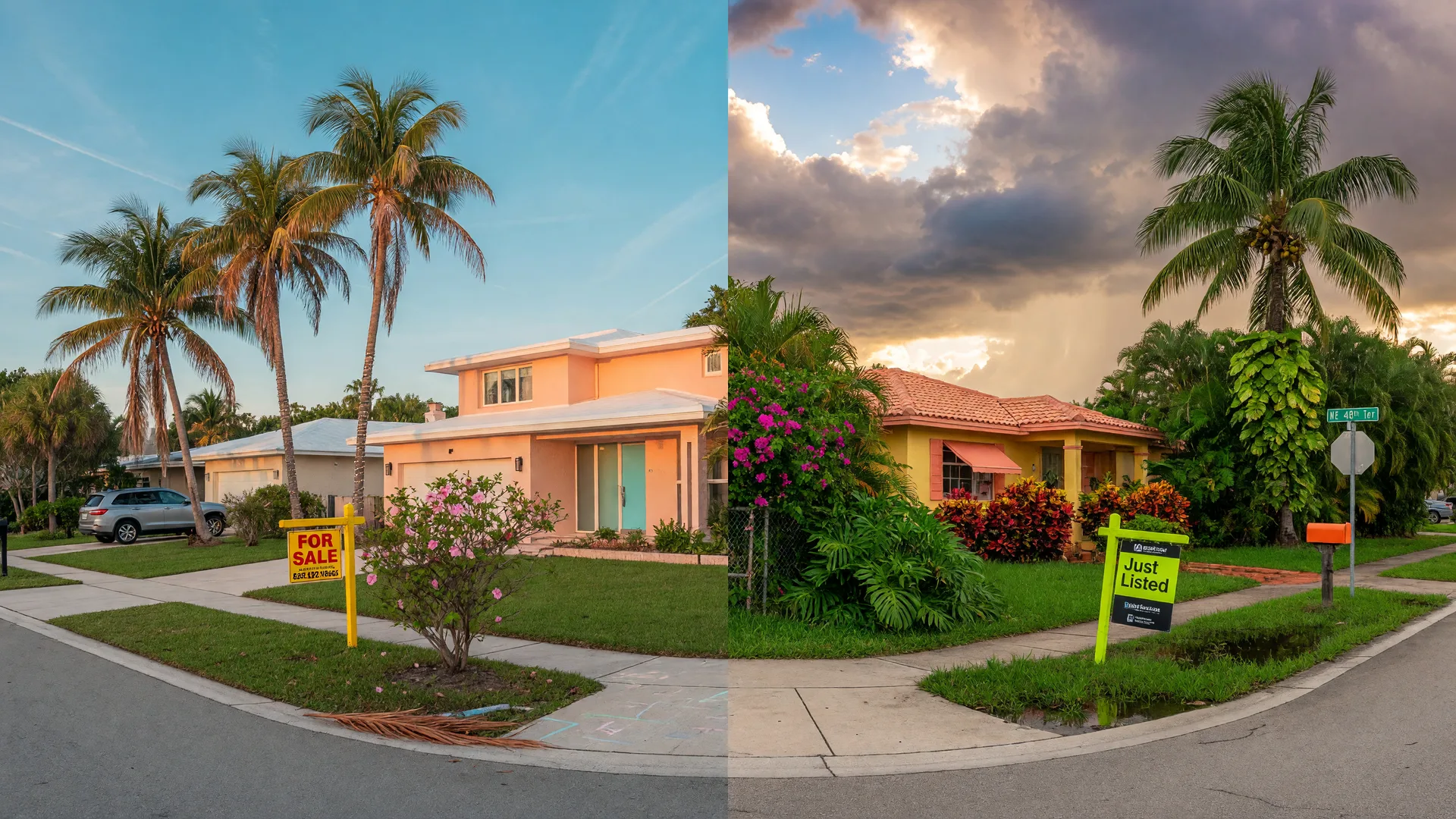
Why Winter Is Peak Season in South Florida
In most of the country, real estate quiets down when the weather turns cold. Not in South Florida. Winter is our busiest and most competitive selling season, and it has been that way for decades. Here is why.
The main driver is snowbird migration. Every year, tens of thousands of northern residents spend November through April in Florida. Many of them are actively looking for a home to buy, either as a second property or as a permanent residence when they retire. They are here, they are motivated, and they have cash or pre-approved financing ready to go.
In Palm Beach County during the winter months, the market moves fast. The newest county data, covering August 2026, shows single-family sellers receiving a median 95% of their original list price, with single-family supply at about 3.5 months and countywide active listings at 10,115, down 20.1% year over year. In city-level data, Delray Beach homes spent a median of about 90 days on market (three months ending May 2026), Boca Raton averaged about 79 days (three months ending August 2026), and Boynton Beach ran roughly 73 to 86 days. Compare that to historical summer patterns, where days on market stretched to 75 to 90 days in some submarkets. Market data updated September 25, 2026.
The price difference is real too. According to ATTOM Data's analysis of 47 million home sales, seller premiums in Florida peak in March at roughly 10.7% above estimated value. During the slowest months (September through November), that premium drops to around 8.0%. That gap of roughly 2 to 3 percentage points can mean $10,000 to $15,000 on a $500,000 home.
What Summer Selling Looks Like
Summer in South Florida runs from June through August, with the market typically staying slower through November due to hurricane season. Buyers are still out there, but the pool is smaller and the urgency is lower.
Here is what the research shows about summer selling in Florida. A national study by Offerpad across 350,000 transactions found that homes sold in January (the bottom of the seasonal curve) went for a median of about 7% less than homes sold in June. That is roughly $27,000 in lost value on an average-priced home. The same study showed that January homes see the largest average price reductions at nearly $17,000, and the percentage of homes selling above list price drops from about 23.6% in May to just 12.4% in January.
In Florida specifically, analysis from HomeInc shows that off-season months see median prices 5% to 8% below the peak-season high, with homes spending an extra 20 to 30 days on market.
There is a bright side, though. Summer buyers are typically more serious. They are not browsing casually. They have a need to move, often tied to a job relocation, a lease ending, or a life change. And with less competition among buyers, your home may stand out more relative to other listings. If you price correctly and market well, you can still get a strong result.
Winter vs Summer: Side-by-Side Comparison
| Factor | Winter (Nov-Apr) | Summer (Jun-Sep) |
|---|---|---|
| Buyer demand | High - snowbirds, retirees, second-home buyers active | Moderate - local buyers, relocation, life changes |
| Days on market | Latest data: Delray ~90 days, Boca ~79 days, Boynton roughly 73-86 days | Historically slower; condo supply near 7 months extends timelines |
| Seller premium | 10.7% above value in peak months (March) | ~8.0% above value in slow months |
| Sale price vs list | Closer to asking, more multiple offers | 5-8% below peak-season highs typical |
| Competition from other listings | Higher - more sellers list in winter | Lower - fewer new listings hit the market |
| Buyer seriousness | Mixed - some casual browsers, many ready buyers | High - most buyers have a real need to move |
| Weather for showings | Mild and pleasant, fewer disruptions | Hot, humid, afternoon storms can disrupt showings |
| Negotiating leverage | Seller-favorable in most markets | More buyer-friendly, concessions more common |
| Homes selling above list | ~23.6% in May peak | ~12.4% in January low point |
The Snowbird Factor: Why Winter Buyers Pay More
The biggest difference between winter and summer selling in South Florida is the buyer. Winter buyers are often from the Northeast, the Midwest, or Canada. They are accustomed to higher home prices in their home markets, so South Florida pricing looks reasonable by comparison. They are also usually pre-qualified, often paying in cash or with substantial down payments. That means fewer financing contingencies and faster closings.
These buyers are on a timeline. They want to close before heading back north in April or May. That urgency works in your favor as a seller. A snowbird buyer is less likely to haggle over small repair requests or demand deep concessions. They want a straightforward transaction so they can enjoy their Florida home next winter.
Summer buyers, by contrast, are more likely to be local. They have seen multiple homes over several months and know exactly what they want. They are also more price-sensitive. Without the snowbird urgency, they feel less pressure to act fast and may wait for the right deal.
To understand how these buyer dynamics affect pricing, read our guide on pricing your South Florida home to sell.
Winter Pros and Cons
Pros of Winter Selling
- Highest buyer demand of the year
- Snowbird buyers with cash and urgency
- Faster sales with fewer days on market
- Higher seller premiums (up to 10.7% over value)
- More multiple-offer scenarios
- Pleasant weather for showings and open houses
- Higher chance of selling above asking price
Cons of Winter Selling
- More competition from other sellers
- Buyer pool includes casual browsers
- Homes must be show-ready during holiday season
- Higher listing volume means your home must stand out
- Premium real estate marketing is essential to compete
- Pricing mistakes are more costly in a hot market
Summer Pros and Cons
Pros of Summer Selling
- Less competition from other sellers
- Buyers are typically serious and motivated
- Your home stands out more with fewer new listings
- Flexible moving schedules for families
- Professional marketing can give you an edge
- Year-round South Florida demand still exists
Cons of Summer Selling
- Lower overall buyer demand
- Homes take 20-30 days longer to sell
- Sale prices 5-8% below winter peaks
- Hurricane season can disrupt showings
- Afternoon thunderstorms common
- More concessions and negotiation on price
- Fewer out-of-state buyers looking
What the Data Says: Real 2026 Numbers
Let us get specific about what the market looks like in South Florida now. These figures come from August 2026 market reports published in September 2026: the MIAMI Association of Realtors county report, MLS-based Palm Beach County data, and Redfin city-level pages. Market data updated September 25, 2026. They are a snapshot, not a forecast, and they change month to month.
- Palm Beach County single-family sale-to-list: sellers received a median 95% of their original list price in August 2026, and condo sellers about 93%.
- Inventory stayed lean. Countywide active listings totaled 10,115 at the end of August 2026, down 20.1% year over year, with about 3.5 months of single-family supply.
- Condos and townhomes run closer to 7 months of supply, where buyers hold more leverage and timelines run longer.
- Price reductions: roughly 23% of county listings carried a price cut in active-market data for August 2026.
- City-level days on market: Delray Beach spent a median of about 90 days on market (three months ending May 2026), Boca Raton averaged about 79 days (three months ending August 2026), and Boynton Beach ran roughly 73 to 86 days.
- Seasonal context: the snowbird-driven November through April window remains the strongest of the year for sellers, and heading into it, single-family inventory in Palm Beach County sits on the tight side of balanced.
The key takeaway: South Florida remains active year-round, and 2026 has been faster than 2025. Winter still tends to produce the strongest seller premiums, but the difference has narrowed, and a well-priced, professionally marketed home can sell quickly in any season.
For a deeper look at how long homes take to sell in specific cities, read our 2026 days on market data breakdown.
How to Win in Any Season
Whether you sell in December or July, certain principles hold true. Here is how to get the best result regardless of the calendar.
- Price right from the start. Overpricing is the most expensive mistake you can make, and it hurts more in summer when buyer attention is already lower. A data-driven comparative market analysis from a local agent gives you a real price range, not an algorithm guess.
- Invest in professional marketing. A listing with professional photography, cinematic video, and a dedicated property website gets more attention in any season. In summer, when fewer buyers are looking, professional marketing becomes even more critical. Learn how Ryan markets listings differently.
- Prepare your home properly. South Florida buyers expect impact windows, good AC systems, and well-maintained landscaping. Whether it is winter or summer, a move-in ready home sells faster and for more. See our home preparation checklist.
- Understand your buyer. In winter, target snowbirds with messaging about locking in their Florida lifestyle. In summer, focus on local buyers who need to move before the school year or for a job.
- Be flexible with showings. Winter buyers may want to see multiple homes in a weekend. Summer buyers may have kids and busy schedules. Accommodate both and you will get more offers.
- Know your numbers. Understand what your home is truly worth before you list. A realistic seller knows that a winter sale may bring a premium, and a summer sale may require more patience or a sharper price. RyanParkerRealty.com has neighborhood-specific data that can help you set expectations.
Is It Better to Wait for Winter?
If your home is ready to sell, the best time to list is now. Waiting months for peak season means delaying your sale, continuing to pay your mortgage, and taking the risk that market conditions change. In 2026, the South Florida market has been moving faster than a year ago: Palm Beach County active listings at the end of August totaled 10,115, down 20.1% year over year, and single-family supply sat at about 3.5 months. Buyer demand is healthy, and the seasonal winter surge remains the strongest window of the year for sellers.
That said, if you can comfortably wait and your home is not ready to show, targeting the February through May window is a smart move. The combination of snowbird activity, spring migration, and peak weather gives you the best odds of a fast, high-priced sale.
For a month-by-month breakdown, read our full seasonal guide. For the complete process of selling step by step, visit The Process page.
Frequently Asked Questions About Seasonality
Is winter or summer better for selling a home in South Florida?
Winter is typically better. The peak selling season in South Florida runs from November through April, driven by snowbird buyers, northern migration, and milder weather. Homes tend to sell faster and closer to asking price during that window.
How much less do homes sell for in the summer in Florida?
Nationally, homes sold in January sell for roughly 7% less than homes sold in June. In Florida, off-season months have historically seen median prices 5% to 8% below peak-season highs, with homes sitting 20 to 30 days longer on market.
What are the best months to sell a home in South Florida?
February through May is historically the strongest window in South Florida, combining snowbird activity, spring migration, and the best weather. March has typically seen the highest seller premiums, averaging about 10.7% above estimated value.
Is the South Florida market shifting as we head into winter 2026-2027?
The newest data shows a faster market than a year ago. In August 2026 reports, Palm Beach County single-family sellers received a median 95% of their original list price, with about 3.5 months of single-family supply and 10,115 active listings countywide, down 20.1% year over year. Condos and townhomes ran closer to 7 months of supply. Market reports are published monthly, so the freshest figures matter when you set your timing and price.
The Bottom Line
Winter is the stronger season for selling in South Florida, but summer is far from hopeless. The real question is not which season is better in the abstract, but which season works for your personal situation. If you need to sell quickly and want the highest possible price, aim for the February through May window. If you need to sell now, a well-priced, professionally marketed home can still attract strong offers in July or August.
The most important factor is not the season. It is having the right strategy, the right price, and the right marketing in place before your home hits the market. A local agent who understands the nuances of South Florida real estate can help you navigate seasonal trends and position your home to succeed regardless of when you list.
For more educational resources, visit RyanParkerHomeGuide.com. For neighborhood-specific data and area guides, visit RyanParkerRealty.com. And for a complete guide to how Ryan's marketing approach gets results in any season, visit the Why Ryan's Marketing Is Different page.
Ready to Sell? Get a Free Market Analysis
Not sure whether to list now or wait for the best season? Ryan Parker offers a free, no-obligation market analysis that gives you a clear picture of your home's value and the best timing strategy for your situation. With real comparable sales data from Palm Beach and Broward counties, you will know exactly where your home stands in today's market.
Call or text Ryan at 561-915-8590 or request your free market analysis online.

Ryan Parker
South Florida Realtor, Coldwell Banker Realty
SL3571861
For more resources on buying, selling, owning, and investing, visit RyanParkerHomeGuide.com. For neighborhood guides and area information, visit RyanParkerRealty.com.
Want to know if I'd sell now or wait?
Here's my honest take for your situation and your home. No pressure, no obligation, just a straight answer.
No pressure. No obligation. Just an honest answer.