Home Appraisal Came in Low? What South Florida Sellers Can Do
You found a buyer, agreed on a price, and the contract is signed. Then the appraisal comes back low. It is a stressful moment, but it does not have to kill the deal. Low appraisals happen in South Florida more often than sellers expect, and in almost every case there is a path forward. Here is what you need to know about low appraisals as a seller, and the options you have to keep your sale on track.
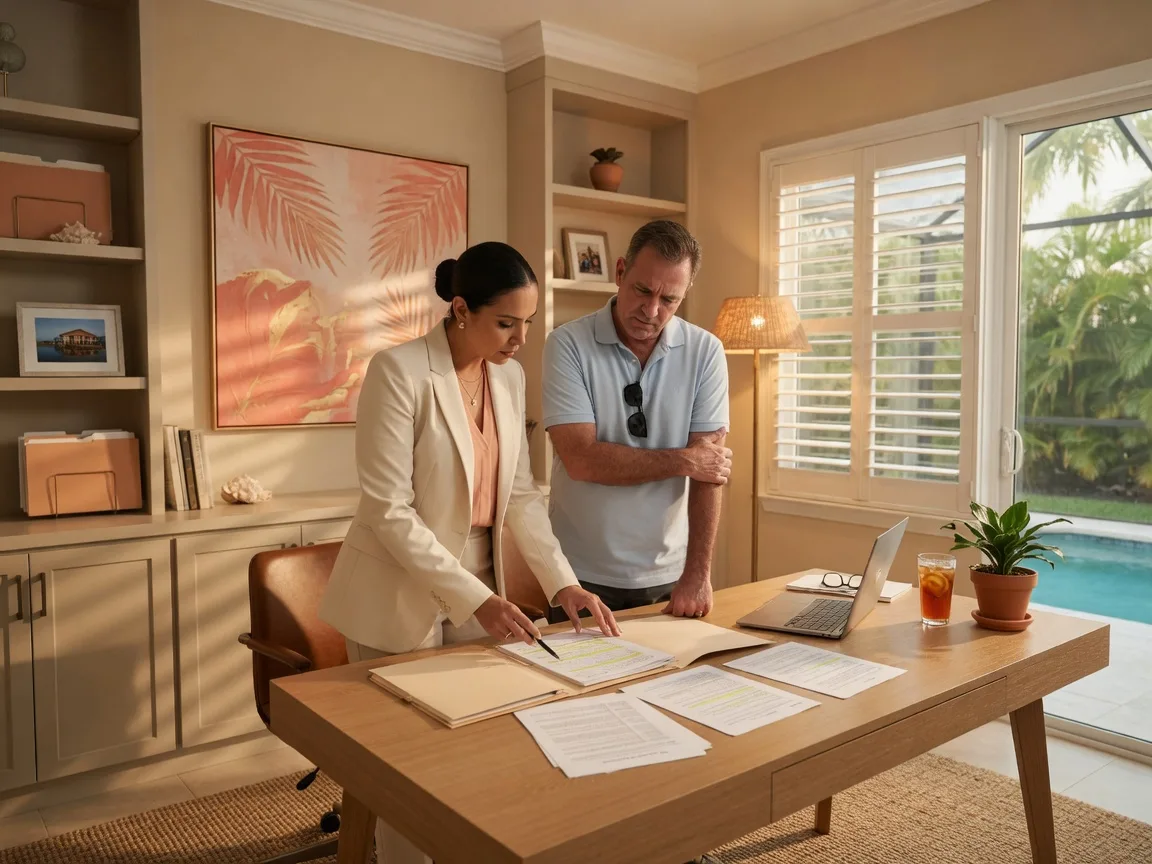
What a Low Appraisal Actually Means
An appraisal is an independent estimate of your home's value performed by a licensed appraiser. The buyer's lender orders it to make sure they are not lending more than the home is worth. If the appraisal comes in below the contract price, the lender will only loan based on the lower number. That creates a gap between what the buyer agreed to pay and what the bank will finance.
For example, imagine a home under contract at a certain price, where the appraisal comes back significantly below that number. The buyer cannot cover the full difference in cash, and the seller is frustrated. But through negotiation, they split the gap: the buyer puts up part of the difference, and the seller comes down partway. The deal closes, and both parties walk away feeling like they got a fair outcome.
That scenario is more common than you might think. Low appraisals do not have to be deal-killers. They just need a strategy.
Option 1: Renegotiate the Price with the Buyer
This is the most common outcome. When the appraisal comes in low, the buyer will typically ask the seller to reduce the price to match the appraised value. As the seller, you have three choices:
- Accept the lower price and move forward. This is the simplest option, especially if the appraised value is close to the market reality and you do not want to risk losing the buyer.
- Meet in the middle by splitting the gap. This is what happened in the Delray Beach deal I mentioned. The buyer and seller each gave a little, and the deal stayed alive.
- Hold firm at the contract price and ask the buyer to cover the difference in cash. This works best when the buyer is motivated and the gap is small, typically under $10,000.
Your negotiating position depends on how strong the buyer is and how much you want to keep the deal together. If you have multiple offers waiting in the wings, you have more leverage. If this is the only offer you have received, you may want to be more flexible.
For more on handling negotiations in general, see our guide on handling lowball offers and evaluating multiple offers.
Option 2: Challenge the Appraisal
Appraisals are not infallible. Appraisers can miss recent comparable sales, use the wrong comps from a different neighborhood, or overlook key upgrades that add value. In South Florida, where micro-markets can shift dramatically from one street to the next, errors are especially common.
To challenge an appraisal, your agent submits a formal reconsideration of value request to the lender. This includes:
- Additional comparable sales that the appraiser may have missed, especially recent sales within the same neighborhood.
- Corrections to factual errors in the appraisal report, such as incorrect square footage, bedroom count, or condition ratings.
- Documentation of upgrades like impact windows, a new roof, updated kitchen, or renovated bathrooms that the appraiser may not have fully accounted for.
For example, imagine a home with impact windows, a new AC system, and a fully renovated kitchen. The appraiser values it as if it had none of those upgrades. The seller and their agent submit photos, receipts, and additional comparable sales showing recent homes with similar upgrades. The appraiser revises the value upward significantly, and the deal closes at the original price. It does not always work, but it is always worth a try.
For a better understanding of how homes are valued in the first place, read our guide on what a comparative market analysis is.
Option 3: Request a Second Appraisal
If the first appraisal is significantly off and the lender agrees, the buyer can request a second appraisal. This is less common than a reconsideration of value, but it can be effective when the first appraisal was clearly outside the norm.
Some lenders are hesitant to order a second appraisal because it adds time and cost to the process. But if you have strong evidence that the first appraisal was wrong, it is worth asking. The second appraiser may come in higher, giving you more room to negotiate.
Keep in mind that a second appraisal could also come in lower. It is a gamble. That is why most agents pursue a reconsideration of value first, using data to correct the first appraisal, before requesting a second one.
Option 4: The Buyer Pays the Gap in Cash
Some buyers are willing and able to cover the appraisal gap in cash. This is most common when:
- The buyer has significant liquid assets and really wants the home.
- The gap is relatively small, typically under $10,000 to $15,000.
- The buyer waived the appraisal contingency in their offer, which means they agreed to cover the gap up to a certain amount.
This is why I advise sellers to evaluate offers with appraisal gap coverage as a key factor when choosing between multiple offers. A slightly lower offer with strong appraisal gap protection can be a better deal than a higher offer with no protection. For more on this, read our guide on cash offers vs mortgage offers.
Option 5: Walk Away
Sometimes the best option is to walk away. If the appraisal comes in significantly below the contract price, and neither the buyer nor the seller is willing to budge, the deal may fall through. This is frustrating, but it is not the end of the world.
If the buyer has an appraisal contingency in their contract, they can back out and get their earnest money deposit back. If they waived the appraisal contingency, the seller may be entitled to keep the deposit, depending on how the contract is written.
If the deal falls through, you put the home back on the market. The key is to price the home based on the appraised value and the new market data. A low appraisal does not mean your home is worth less than you thought. It means one appraiser valued it at that number on that day. The next buyer may have a different appraiser who values it higher.
For a complete overview of the selling process from start to finish, visit our step-by-step guide to selling with Ryan.
How to Prevent Low Appraisal Problems Before They Happen
The best way to handle a low appraisal is to prevent it in the first place. Here is what I do with my listings to reduce the risk of appraisal issues:
- Price based on recent comparable sales, not wishful thinking. Overpricing increases the risk of a low appraisal. If the contract price is far above what recent comps support, the appraisal is likely to come in low. I help sellers set a price that is aggressive but defensible. Read more about pricing your home correctly.
- Document every upgrade and improvement. I keep a file of receipts, permits, and before-and-after photos for every major improvement. This documentation is gold when an appraiser needs to understand the value of your upgrades.
- Prepare a comparable sales packet before the appraisal. Before the appraiser visits, I prepare a packet of relevant comparable sales, including pending sales that may not be in the appraiser's database yet. This helps the appraiser see the full picture.
- Encourage the buyer to use a local lender. National online lenders often use appraisers who are not familiar with South Florida's micro-markets. A local lender uses local appraisers who know the neighborhoods. This alone can reduce the risk of a low appraisal.
For more on how to prepare your home for a smooth sale, check out our home preparation guide.
What I Have Learned from Appraisal Challenges in South Florida
Working across Delray Beach, Boca Raton, and Boynton Beach, a clear pattern shows up in appraisal challenges. Low appraisals commonly happen for one of three reasons: the home was priced too aggressively, the appraiser used weak comparable sales, or the appraiser missed key upgrades. In each case, the solution is the same: good data and clear communication.
For example, imagine a listing where the appraisal comes in below the contract price even though the home was priced right with strong comparable sales. The appraiser used an unfair comparable, like a short sale or distressed property. The seller and agent submit a reconsideration of value with better comps, and the appraiser revises the value upward enough for the deal to close at the original price.
The key takeaway is that low appraisals are not the end of the deal. They are a negotiation point. With the right strategy and an agent who knows how to handle them, most low appraisal situations can be resolved.
What a Low Appraisal Means for Your Home's Value
One thing I want to be clear about: a low appraisal does not mean your home is not worth what you thought. It means one appraiser valued it at that number on that day, using the data available to them at that time. The market is the ultimate judge of value. If your home is priced correctly and marketed well, it will attract the right buyer at the right price.
If you are curious what your home is actually worth in today's market, the best way to find out is through a free market analysis. I will pull real comparable sales, assess your home's condition and upgrades, and give you a realistic price range based on current market data, not an algorithm.
You can also read our guide to the 5 factors that determine your home's value for a deeper understanding of what drives price in South Florida.
Ready to Sell? Let Us Price It Right from Day One
The best defense against a low appraisal is pricing your home correctly from the start, with strong comparable sales data and a clear understanding of your home's unique value. That is what I provide for every seller I work with.
Call or text Ryan at 561-915-8590 for a free consultation. You can also request your free market analysis online to find out what your home is worth and build a pricing strategy that attracts strong offers and minimizes appraisal risk.
For more seller resources, visit RyanParkerHomeGuide.com. For neighborhood-specific guides and area information, visit RyanParkerRealty.com.

Ryan Parker
South Florida Realtor, Coldwell Banker Realty
SL3571861
For comprehensive real estate education covering buying, selling, owning, and investing, visit RyanParkerHomeGuide.com. For neighborhood-specific guides and area information, visit RyanParkerRealty.com.
Want my take on how to handle this?
Let me walk you through your options. No pressure, no obligation, just an honest read on the situation.
No pressure. No obligation. Just an honest answer.